


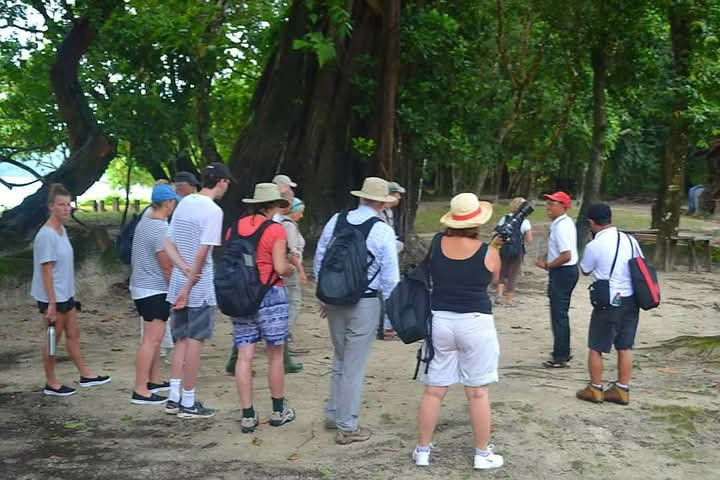
History UjungKulon at Glance
Before Ujung Kulon officially became a National Park in 1992
On the south western tip of the island of Java, where the vast expanse of the Indian Ocean and the equatorial waters of the Sunda Straits merge, is one of Indonesia’s paramount national parks, Ujung Kulon. Rich in wildlife and forest, noted for its charm and diversity, it is the home of the highly endangered
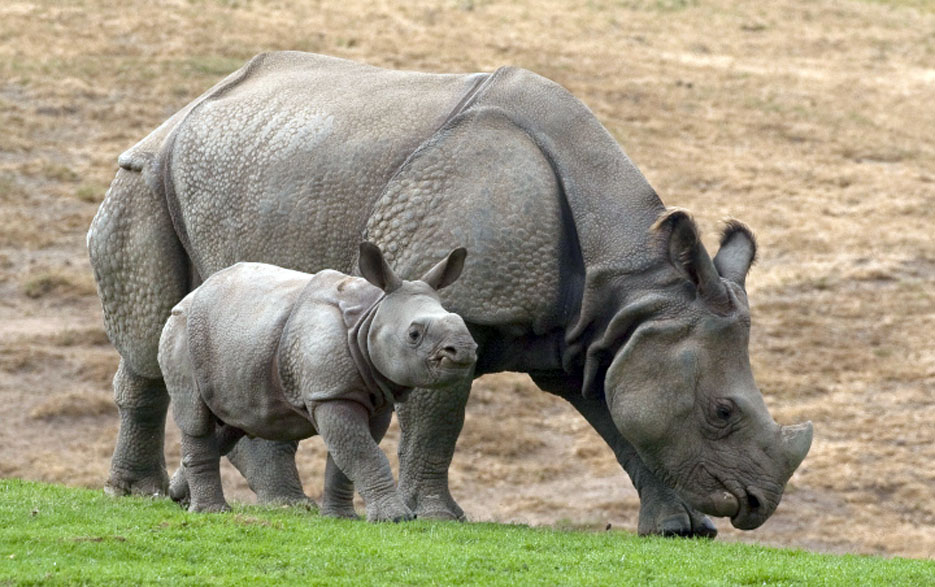
Javan rhinoceros and bestowed with the status of World Heritage (Natural) Site.
Ujung Kulon, which means West Point, possesses an exceptional profile of Indonesia’s wilderness form forested mountain ranges to coral seas. What makes it even more remarkable is that the park remains a pristine haven of nature, on Java, one of the most densely populated islands on earth.
In earlier centuries when the population was small and the forests were large, the people of the land lived with a deep respect for the forest and its wildlife. Then began a two century long struggle between mankind and nature. The world first became aware of the natural treasures of Ujung Kulon in the 1820’s when botanists began venturing onto the Peninsula to collect exotic tropical specimens. This was a time of colonial expansion and exploration and by the middle of the century expedition form the Organization for Scientific Research in the Netherland Indies drew attention to its unusual richness and scientific importance. They wrote of the Peucang Island area in 1853:
-“beautiful and safe bays…fertile soil…a wealth of timber for ship and shore…. a splendid situation for commerce….the seed of a new Singapore”.
Despite their recommendations to exploit the park’s resources, and fortunately for future generations, nothing came of developing the region. Thirty years later in August 1883, nature intervened with a force that was un-known at that time when the nearby volcanic island of Krakatau erupted. It produced tidal waves that devastated the coastal areas destroying much of Ujung Kulon’s vegetation and northern coastlines. Some insight into the impact of the tidal waves was recorded by a British ship 222 km. south of Ujung Kulon on that day: “Encountered carcasses of animals including even those of tigers and about 150 human corpses borne along by the current.” 23 besides enormous trunks of trees However, the regrowth was rapid and created lush new vegetation on which the browsing wildlife thrived. The first steps toward the region becoming a national park began at the end of the 19th century when the Ujung Kulon peninsula was establishing a reputation as a big game hunting area. During the following decade there was no other region in all of Java with as much game and so the trophy shooters came and animals were killed without limitations. A group of conservationists and game hunter became concerned about the declining animal numbers and that some species were nearing extermination. This led in 1910 to the government’s first decree protecting some of the fauna, however the hunting continued.
Two years later came the formation of the Netherlands Indies Society for the Protection of Nature. Their efforts had very little effect until 1921 when the Society was granted 300 sq. kilometers of the Ujung Kulon Peninsula as a nature reserve. Panaitan Island was also protected as a separate reserve. There was however no supervision and during the 1930’s hunting arties shot numerous animals.
In 1937 the status of the reserves was change management of the Director of the Botanical Gardens in Bogor. Over the following few years the Ujung Kulon Game Reserve was closed to the public, a guard system was introduced and it appeared that Ujung Kulon and its wild – life had a promising future. Then came the Second World War followed by Indonesia’s struggle to establish independence. The situation in the Ujung Kulon Game Reserve deteriorated as management became difficult and many rhinos and other animals were once again being killed.
After the formation of the Republic of Indonesia, the Ujung Kulon Panaitan Island Game Reserve was again declared a Nature Reserve in 1958 and the coastal boundaries were extended 500 metres seaward. To the east of the Ujung Kulon Peninsula 20,000 hectares of the Gunung Honje Range also became nature reserves and guarding was re-introduced to the region.
Ujung Kulon officially became a national park in 1992. In the same year, along with the Krakatau Islands, the park shared the distinction of becoming Indonesia’s first World Heritage (Natural) Site along with the Komodo Islands. As with all national parks in Indonesia, Ujung Kulon is managed by the Republic of Indonesia’s Department of Forestry under the Directorate General of Forest Protection and Nature Conservation.
Ujungkuon National Park: The Adventure Destination Closed to Jakarta
Ujungkuon National Park, a UNESCO World Heritage site, offers unparalleled adventure opportunities near Jakarta. This article provides a comprehensive guide to its unique ecosystems, activities, and travel planning, including practical tips and estimated costs for experiencing this significant natural preserve.
Ujungkuon National Park the adventure destination closed to Jakarta presents an unparalleled opportunity for exploration, offering a rare glimpse into Indonesia’s untouched natural heritage. Situated at the westernmost tip of Java, this UNESCO World Heritage site promises a profound connection with biodiversity and geological wonders, all within a reasonable journey from the capital. PT UJUNGKULON TOURS is dedicated to providing access to this remarkable preserve.
Exploring the Natural Splendor of Ujungkuon National Park the Adventure Destination Closed to Jakarta
Ujungkuon National Park stands as a sanctuary of immense ecological significance. Its diverse ecosystems range from lowland rainforests to freshwater swamps, mangrove forests, and coral reefs, each supporting a rich array of flora and fauna. This protected area is globally renowned as the last natural habitat for the Javan rhinoceros, an iconic and critically endangered species. Beyond this flagship animal, visitors might encounter leopards, civets, wild boars, and various primate species within its dense jungles. The coastal areas and marine parks teem with marine life, offering vibrant snorkeling and diving experiences. For anyone seeking authentic wilderness near Jakarta, Ujungkuon National Park the adventure destination closed to Jakarta delivers.
One of the distinctive features of this national park is its geological history, heavily influenced by the eruption of Krakatoa. The park includes several islands, such as Panaitan, Handeuleum, and Peucang, which serve as bases for various activities. These islands present unique landscapes, from the savanna of Peucang to the rugged terrain of Panaitan, which is popular for surfing. Based on our field experience, careful planning is crucial due to the park’s remote nature and reliance on boat transfers for access to these islands. We often find cases where visitors underestimate the logistics, leading to unexpected delays.
Adventure Activities and Unique Experiences
Ujungkuon National Park offers a spectrum of adventure activities designed to immerse you in its natural environment. Trekking through the dense rainforests provides an opportunity to spot wildlife and discover hidden waterfalls. Kayaking through the Cigeulis River is a popular option, allowing for quiet observation of the mangrove ecosystem.
When navigating specific river sections, such as those through the Handeuleum Island mangroves, we operate this section using traditional, narrow fiberglass canoes. During the dry season (June to September), the water level near the mouth drops significantly; our guides will actively help you navigate over exposed logs and mangrove roots. Pro Tip from Head Guide Yudi: Keep your hands inside the canoe gunwales at all times—the mangrove crabs along the muddy banks are sharp, and Python reticulatus is occasionally spotted resting on low-hanging branches over the water. This firsthand insight highlights the genuine wilderness experience you can expect at Ujungkuon National Park the adventure destination closed to Jakarta.
Snorkeling and diving around Peucang Island reveal stunning coral gardens and a variety of fish species. Surfing at Panaitan Island attracts enthusiasts with its challenging waves. Wildlife observation, particularly the chance to see the Javan rhino (though sightings are exceedingly rare), remains a significant draw. Other opportunities include birdwatching, exploring ancient sites, and enjoying secluded beaches. It truly defines Ujungkuon National Park the adventure destination closed to Jakarta.
Planning Your Journey: Logistics and Essential Information
Reaching Ujungkuon National Park the adventure destination closed to Jakarta typically involves a drive from Jakarta to Carita or Labuan, followed by a boat transfer to the park’s entry points, such as Peucang Island or Handeuleum Island. The journey can take several hours, emphasizing the park’s untouched character.
These price ranges are general market estimates and can vary based on seasonality, service providers, and specific inclusions. It’s always advisable to confirm current rates with operators like PT UJUNGKULON TOURS. Practical tips from our team indicate that bringing sufficient cash, personal medical supplies, and protective gear against insects and sun is highly recommended. Connectivity is often limited, so prepare for a disconnected experience. For more remote island getaways across Indonesia, you might find valuable resources at javabalitrip.com.
Responsible Tourism and Conservation Efforts
Visiting Ujungkuon National Park the adventure destination closed to Jakarta carries a responsibility to support its conservation. PT UJUNGKULON TOURS adheres to principles of responsible tourism, ensuring that our operations minimize environmental impact and contribute positively to local communities. This includes respecting wildlife by maintaining a safe distance, not leaving any trace of your visit, and following guidelines provided by park rangers and guides.
The park’s conservation efforts are extensive, focusing on habitat protection for endangered species, particularly the Javan rhino. Anti-poaching patrols are a constant presence, safeguarding the park’s biodiversity. By choosing reputable tour operators who prioritize sustainability, you contribute directly to these vital efforts. Your journey to Ujungkuon National Park the adventure destination closed to Jakarta is more than just an expedition; it is an act of supporting global conservation.
Embracing the unique challenges and rewards, Ujungkuon National Park the adventure destination closed to Jakarta offers an experience that goes beyond typical travel. It is a profound immersion into one of the world’s most significant natural preserves. PT UJUNGKULON TOURS invites you to discover this exceptional wilderness and become a part of its enduring story.
Ready for Your Ujungkuon Adventure?
Don’t miss the chance to explore the stunning wilderness of Ujungkuon National Park. Secure your bespoke expedition now with PT UJUNGKULON TOURS for an unforgettable journey.
Plan My Expedition!
FAQ
How far is Ujungkuon National Park from Jakarta?
The park is located at the western tip of Java. The drive to the nearest jetty (Carita or Labuan) takes approximately 3-4 hours from Jakarta, followed by a boat trip of varying duration depending on your destination within the park.
What is the best time to visit Ujungkuon National Park?
The dry season, generally from May to October, offers the most favorable weather conditions for trekking, kayaking, and boat travel. The wet season can make some activities challenging due to heavier rains and higher water levels.
What wildlife can I expect to see in Ujungkuon National Park?
The park is home to the critically endangered Javan rhinoceros. Other animals include leopards, wild boars, various monkeys (like the Javan langur), deer, and a rich diversity of bird species. Marine life is also abundant in the coastal areas.
Are there accommodation options within Ujungkuon National Park?
Yes, basic guesthouses are available on islands like Peucang and Handeuleum. Camping is also an option for those seeking a more rugged experience. All accommodation is simple and designed to minimize environmental impact.
What should I pack for a trip to Ujungkuon National Park?
Essential items include light clothing, insect repellent, sun protection (hat, sunscreen), sturdy walking shoes or sandals, swimwear, personal toiletries, a basic first-aid kit, and a waterproof bag for electronics. Cash is also advisable as ATMs are not available in the park.
Is Ujungkuon National Park suitable for families with children?
It depends on the children’s age and activity level. Some tours can be physically demanding. There are gentler options like guided walks and boat tours that might be suitable for older children, but it is primarily an adventure destination.
How can I ensure my visit is responsible and sustainable?
Choose reputable tour operators like PT UJUNGKULON TOURS who prioritize environmental protection and local community benefits. Follow park rules, do not disturb wildlife, avoid littering, and stay on designated paths.
The Wildlife UjungKulon National Park
Taman Nasional Ujung Kulon adalah cagar alam vital di Indonesia yang terkenal sebagai habitat terakhir Badak Jawa, spesies badak paling langka di dunia. Dengan fokus pada konservasi satwa liar, taman ini melindungi keanekaragaman hayati unik serta ekosistem hutan hujan tropis yang penting bagi kelangsungan hidup spesies-spesies terancam punah. Taman Nasional Ujung Kulon merupakan habitat terakhir […]
History of UjungKulon
Sejarah Taman Nasional Ujung Kulon mencakup penetapannya sebagai cagar alam pada tahun 1921 oleh pemerintah Hindia Belanda, dan kemudian diakui sebagai Situs Warisan Dunia UNESCO pada tahun 1991. Wilayah ini dikenal sebagai benteng terakhir bagi badak jawa yang terancam punah dan memiliki ekosistem unik yang beregenerasi pasca-letusan Krakatau 1883. Ujung Kulon pertama kali ditetapkan sebagai […]