



History UjungKulon at Glance
Before Ujung Kulon officially became a National Park in 1992
On the south western tip of the island of Java, where the vast expanse of the Indian Ocean and the equatorial waters of the Sunda Straits merge, is one of Indonesia’s paramount national parks, Ujung Kulon. Rich in wildlife and forest, noted for its charm and diversity, it is the home of the highly endangered
Javan rhinoceros and bestowed with the status of World Heritage (Natural) Site.
Ujung Kulon, which means West Point, possesses an exceptional profile of Indonesia’s wilderness form forested mountain ranges to coral seas. What makes it even more remarkable is that the park remains a pristine haven of nature, on Java, one of the most densely populated islands on earth.
In earlier centuries when the population was small and the forests were large, the people of the land lived with a deep respect for the forest and its wildlife. Then began a two century long struggle between mankind and nature. The world first became aware of the natural treasures of Ujung Kulon in the 1820’s when botanists began venturing onto the Peninsula to collect exotic tropical specimens. This was a time of colonial expansion and exploration and by the middle of the century expedition form the Organization for Scientific Research in the Netherland Indies drew attention to its unusual richness and scientific importance. They wrote of the Peucang Island area in 1853:
-“beautiful and safe bays…fertile soil…a wealth of timber for ship and shore…. a splendid situation for commerce….the seed of a new Singapore”.
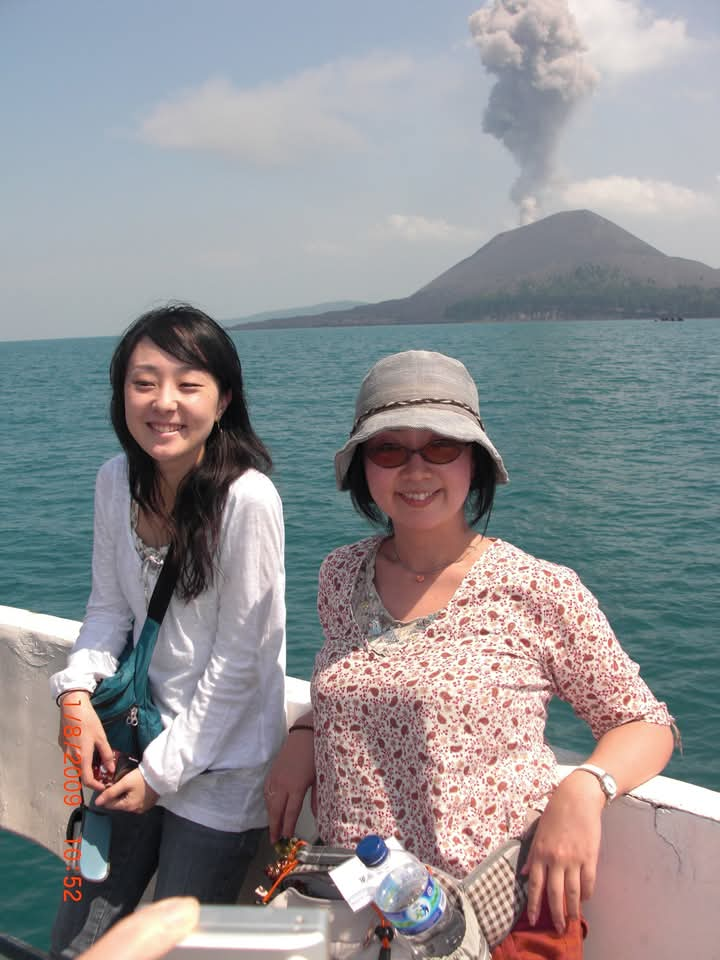
Despite their recommendations to exploit the park’s resources, and fortunately for future generations, nothing came of developing the region. Thirty years later in August 1883, nature intervened with a force that was un-known at that time when the nearby volcanic island of Krakatau erupted. It produced tidal waves that devastated the coastal areas destroying much of Ujung Kulon’s vegetation and northern coastlines. Some insight into the impact of the tidal waves was recorded by a British ship 222 km. south of Ujung Kulon on that day: “Encountered carcasses of animals including even those of tigers and about 150 human corpses borne along by the current.” 23 besides enormous trunks of trees However, the regrowth was rapid and created lush new vegetation on which the browsing wildlife thrived. The first steps toward the region becoming a national park began at the end of the 19th century when the Ujung Kulon peninsula was establishing a reputation as a big game hunting area. During the following decade there was no other region in all of Java with as much game and so the trophy shooters came and animals were killed without limitations. A group of conservationists and game hunter became concerned about the declining animal numbers and that some species were nearing extermination. This led in 1910 to the government’s first decree protecting some of the fauna, however the hunting continued.
Two years later came the formation of the Netherlands Indies Society for the Protection of Nature. Their efforts had very little effect until 1921 when the Society was granted 300 sq. kilometers of the Ujung Kulon Peninsula as a nature reserve. Panaitan Island was also protected as a separate reserve. There was however no supervision and during the 1930’s hunting arties shot numerous animals.
In 1937 the status of the reserves was change management of the Director of the Botanical Gardens in Bogor. Over the following few years the Ujung Kulon Game Reserve was closed to the public, a guard system was introduced and it appeared that Ujung Kulon and its wild – life had a promising future. Then came the Second World War followed by Indonesia’s struggle to establish independence. The situation in the Ujung Kulon Game Reserve deteriorated as management became difficult and many rhinos and other animals were once again being killed.
After the formation of the Republic of Indonesia, the Ujung Kulon Panaitan Island Game Reserve was again declared a Nature Reserve in 1958 and the coastal boundaries were extended 500 metres seaward. To the east of the Ujung Kulon Peninsula 20,000 hectares of the Gunung Honje Range also became nature reserves and guarding was re-introduced to the region.
Ujung Kulon officially became a national park in 1992. In the same year, along with the Krakatau Islands, the park shared the distinction of becoming Indonesia’s first World Heritage (Natural) Site along with the Komodo Islands. As with all national parks in Indonesia, Ujung Kulon is managed by the Republic of Indonesia’s Department of Forestry under the Directorate General of Forest Protection and Nature Conservation.
Practical Tips Exploring Ujung Kulon: A Journey into Indonesia’s Wilderness
Successfully exploring Ujung Kulon requires thoughtful preparation. This guide shares practical advice on packing, essential permits, managing expectations for remote stays, and choosing the right tour, ensuring you enjoy the park’s unique ecosystems.
Embarking on a trip to Ujung Kulon offers an unparalleled experience with nature. For those seeking practical tips exploring Ujung Kulon, the key lies in understanding its unique environment and preparing thoughtfully. This remote national park on the westernmost tip of Java, Indonesia, promises wild encounters and stunning natural beauty, far removed from urban comforts.
📑 Contents
Preparing for the Wilderness: Essential Gear and Mindset
Your adventure into Ujung Kulon begins long before you set foot on its shores. Adequate preparation makes a difference for a rewarding experience. We often find cases where visitors underestimate the park’s remoteness, leading to discomfort. Proper packing is not just a suggestion; it is a necessity.
What to Pack for Ujung Kulon
Consider the tropical climate and the types of activities you will undertake: trekking, snorkeling, and boat excursions.
Based on our field experience, a crucial item many overlook is a heavy-duty power bank and a multi-plug adapter. Do not expect 24/7 electricity. The eco-lodges on Peucang Island run strictly on localized generators powered down from 6:00 AM to 6:00 PM daily. Our Expert Tip: Pack a heavy-duty power bank and a multi-plug adapter. Plug all your camera batteries and drone chargers in the moment you return from your afternoon trek at 5:30 PM so you do not wake up to dead gear before the morning boat cruise. This particular insight is one of many tips exploring Ujung Kulon that genuinely enhances your stay.
Navigating Logistics: Permits, Accommodation, and Transportation
Ujung Kulon National Park is a protected area, and accessing it involves specific procedures. Understanding these logistics is important for a smooth visit.
Permits and Entry Fees
All visitors require permits to enter Ujung Kulon National Park. These typically include an entry permit and a conservation fee. For foreign visitors, these fees are generally higher than for local citizens. They contribute directly to the park’s conservation efforts and facilities.
These are general market estimates. Actual prices can differ based on seasonality, service providers, and specific package inclusions. It is always a good practice to inquire directly with PT UJUNGKULON TOURS for their current offerings and pricing.
Choosing Your Tour Operator and Transportation
Getting to Ujung Kulon involves multiple steps. Most journeys start from Jakarta, followed by a land transfer to Carita or Labuan, and then a boat ride to the park’s entry points or islands like Peucang. Selecting a reliable tour operator is important, especially for first-timers. They handle permits, transportation, guides, and accommodation, simplifying the process of tips exploring Ujung Kulon. A reputable operator ensures safety and provides knowledgeable guides who can spot wildlife and explain the park’s ecosystems.
Accommodation in the Park
Accommodation inside Ujung Kulon National Park is generally rustic and eco-friendly. The most popular option is on Peucang Island, offering basic but comfortable lodges. These facilities are designed to minimize environmental impact, meaning amenities might be simpler than what you are used to. Embrace this as part of the immersive wilderness experience.
Exploring Ujung Kulon’s Wonders: Activities and Wildlife
Ujung Kulon is not just a place; it is an experience, teeming with opportunities for nature immersion and wildlife observation. Among the most exciting tips exploring Ujung Kulon is knowing what activities are available and what to expect.
Key Activities
Practical tips from our team suggest being patient and quiet during wildlife spotting. Animals are naturally shy. Wearing muted colors can also help you blend into the surroundings without disturbing the local fauna. For more information on the park itself, you can consult the Wikipedia page for Ujung Kulon National Park.
Successfully exploring Ujung Kulon is about more than just seeing sights; it is about connecting with one of Earth’s last wild havens. By preparing effectively, understanding the logistics, and embracing the simplicity of remote travel, your journey will be unforgettable. These tips exploring Ujung Kulon serve as your guide to a truly immersive nature experience with PT UJUNGKULON TOURS.
Ready for Your Ujung Kulon Adventure?
Let PT UJUNGKULON TOURS handle the details. Connect with our experts to craft your ideal wilderness journey.
Plan Your Expedition Now
FAQ
How do I get to Ujung Kulon National Park?
Most visitors travel from Jakarta by car to Carita or Labuan, then take a boat to access the park’s islands like Peucang or Handeuleum.
What wildlife can I expect to see in Ujung Kulon?
You might see deer, wild boar, various bird species, monitor lizards, long-tailed macaques, and if very fortunate, the Javan rhinoceros.
Is electricity available on Peucang Island?
Eco-lodges on Peucang Island operate with generators, typically from 6:00 PM to 6:00 AM. Plan to charge devices during these hours or bring a power bank.
Are there specific health precautions for visiting Ujung Kulon?
It is recommended to bring strong insect repellent, a personal first-aid kit, and consider vaccinations for tetanus and hepatitis if not already up to date.
What is the best time of year to visit Ujung Kulon?
The dry season, typically from April to October, offers better weather conditions for exploring and boat trips, with less rainfall.
Can I visit Ujung Kulon independently, or do I need a tour operator?
While theoretically possible to arrange some aspects independently, it is highly recommended to use a reputable tour operator due to the park’s remoteness, permit requirements, and logistical complexities. (Baca juga: Exploring Karang Bolong Beach: A West Java Coastline Gem)
What kind of accommodation is available in Ujung Kulon?
Accommodation is generally basic and eco-friendly, primarily in lodges on Peucang Island, focusing on a natural and immersive experience.
Exploring Karang Bolong Beach: A West Java Coastline Gem
Karang Bolong Beach, a distinctive coastal site on West Java island, offers visitors a unique natural rock formation overlooking the Sunda Straits. Known for its scenic views and a tranquil atmosphere, this beach provides opportunities for relaxation, photography, and appreciating the geological history shaped by Krakatau’s eruption.
Karang Bolong Beach stands as a notable destination on the west coast of Java, recognized for its distinctive rock arch that creates a natural window to the Sunda Straits. This location provides more than just a view; it tells a geological story, offering a quiet escape for those seeking natural beauty away from more crowded sites.
📑 Daftar Isi
The Geological Marvel of Karang Bolong Beach
The defining feature of Karang Bolong Beach is its impressive rock formation, carved by natural processes over time. This formation, from which the beach derives its name (meaning “Rock Hole”), is a compelling sight for anyone visiting the area. Based on our field experience guiding visitors through West Java’s coastal areas, the geological narrative behind this natural arch always sparks curiosity. Karang Bolong (near Carita Beach, three hours from Jakarta by road) or Rock Hole beach is named after a rock formation found here that was formed by lava from the Krakatau eruption. It is located on the west coast of Java, facing the Sunda Straits. This direct connection to such a powerful natural event adds a layer of depth to your visit to Karang Bolong Beach.
Formation and Significance
The rock arch at Karang Bolong Beach is a result of ancient volcanic activity and subsequent erosion. Lava flows from the Krakatau eruption, centuries ago, shaped much of this coastline. Over time, the relentless action of waves and wind sculpted the softer parts of these lava formations, leaving behind the resilient arch we see today. It serves as a natural frame for breathtaking sunsets over the Sunda Straits, making it a favorite spot for photographers and nature enthusiasts alike. The solid structure offers a tangible link to Java’s geological past, inviting contemplation about the forces that shaped our planet.
Views and Photography Opportunities
The unique arch at Karang Bolong Beach provides unparalleled photographic opportunities. The elevated position through the rock offers a panoramic perspective of the ocean, perfect for capturing the horizon or the distant silhouette of Anak Krakatau on clear days. Many visitors choose to arrive in the late afternoon to witness the sun descending through the rock arch, painting the sky with vibrant colors. The natural frame enhances any shot, turning a simple landscape into a dramatic visual narrative.
Activities and Practical Information for Karang Bolong Beach
Beyond its visual appeal, Karang Bolong Beach offers several activities suitable for a relaxing day trip or a longer stay. Understanding what to expect and how to plan your visit ensures a smooth and enjoyable experience.
What to Do at Karang Bolong Beach
Visitors to Karang Bolong Beach often enjoy leisurely walks along the sand, exploring the area around the rock formation. The calmer waters near the shore are suitable for wading. For those interested in local culture, small vendors often operate nearby, selling refreshments and local snacks. Practical tips from our team suggest that wearing comfortable footwear is advisable, especially if you plan to ascend the steps to the top of the rock formation for different vantage points. The view from the top of Karang Bolong provides an expansive outlook over the coastline and the vast Sunda Straits.
Accessibility and Getting There
Karang Bolong Beach is relatively accessible by road. It sits a short drive south of Carita Beach, a well-known tourist area. From Jakarta, the journey typically takes around three hours, depending on traffic conditions. Private car or rented vehicle remains the most convenient option. Public transport connections are available but require more transfers. Parking facilities are generally available near the beach entrance. We often find cases where first-time visitors underestimate travel times, so planning for a slightly longer journey helps avoid rushing.
Estimated Market Price Ranges for Your Visit
While specific prices for PT UJUNGKULON TOURS packages would vary, here are general market estimates for common expenses you might encounter when visiting Karang Bolong Beach and its surroundings. These figures provide a reference for budgeting your trip.
These are approximations and can fluctuate based on season, negotiation, and specific service providers. It is advisable to verify current rates upon arrival or when booking services.
Planning Your Trip to Karang Bolong Beach
A successful visit to Karang Bolong Beach benefits from a bit of preparation. Consider the best time to visit and what to bring to enhance your experience.
Best Time to Visit
The dry season, typically from May to September, offers the most favorable weather for visiting Karang Bolong Beach. During these months, you can expect clear skies and calmer seas, ideal for enjoying the views and taking photographs. Weekdays usually present a less crowded atmosphere compared to weekends and public holidays, allowing for a more serene experience.
What to Bring
When visiting Karang Bolong Beach, consider bringing:
Your journey to Karang Bolong Beach promises an encounter with natural beauty and a significant piece of geological history. PT UJUNGKULON TOURS offers guided experiences to ensure you fully appreciate this distinctive coastal attraction. The serenity and unique visuals of Karang Bolong Beach make it a destination worth considering for your next West Java excursion.
Ready to Explore West Java’s Hidden Wonders?
PT UJUNGKULON TOURS specializes in crafting memorable journeys to stunning destinations like Karang Bolong Beach. Let us handle the details for an unforgettable adventure.
Plan Your Coastal Escape Now!
FAQ
Where is Karang Bolong Beach located?
Karang Bolong Beach is located on the west coast of Java, near Carita Beach, facing the Sunda Straits.
What is unique about Karang Bolong Beach?
Its most unique feature is a large natural rock arch, through which visitors can view the ocean and sunsets. This formation is linked to ancient Krakatau lava flows.
How far is Karang Bolong Beach from Jakarta?
It is approximately a three-hour drive from Jakarta, depending on traffic conditions.
Are there any entrance fees for Karang Bolong Beach?
Yes, generally there is a modest entrance fee for visitors and a separate fee for parking.
What activities can I do at Karang Bolong Beach?
Popular activities include walking on the beach, taking photographs through the rock arch, and enjoying the sunset views. You can also climb steps to the top of the formation for wider views.
Is it safe to swim at Karang Bolong Beach?
While wading near the shore is generally safe, always exercise caution with ocean currents and observe local advisories.
Can I find food and drinks at Karang Bolong Beach?
Yes, local vendors often sell snacks and refreshments near the beach area.
Your Complete Guide for Visiting and Getting to Ujung Kulon National Park
This guide provides practical information for Visiting and Getting to Ujung Kulon National Park, covering transportation, permits, accommodation, and activities. It offers market price estimates and expert tips to ensure a well-prepared and fulfilling journey to this unique conservation area.
Visiting and Getting to Ujung Kulon National Park offers a rare opportunity to experience pristine nature and encounter unique wildlife. This guide walks you through the practicalities of planning your journey to this significant conservation area, ensuring a smooth and rewarding expedition. We cover travel routes, permit requirements, and what to expect once you arrive, equipping you with the details needed for a well-prepared adventure.
📑 Daftar Isi
Planning Your Expedition to Ujung Kulon National Park
Ujung Kulon National Park, located at the southwestern tip of Java, stands as Indonesia’s first national park and a UNESCO World Heritage Site. It safeguards one of the planet’s last remaining low-land rainforests and is the sole refuge for the critically endangered Javan rhinoceros. Its remote location adds to its allure, promising an immersion in an untouched natural environment.
For those considering Visiting and Getting to Ujung Kulon National Park, timing is a key factor. The best time to visit the Ujung Kulon Park is between April and September, the drier months. During this period, rainfall is minimal, making trekking trails more accessible and boat travel less affected by rough seas. Clear skies also enhance opportunities for wildlife observation and photography.
Entry into the park requires specific permits. To enter Ujung Kulon Park you need a permit, which is managed by the park authority. This permit helps regulate visitor numbers and supports conservation efforts. It’s advisable to arrange these permits in advance, often facilitated through tour operators like PT UJUNGKULON TOURS, to avoid delays upon arrival. Accommodation is available on Peucang Island and at Handeuleum, offering basic but comfortable stays within the park’s vicinity. These options provide direct access to park activities and reduce travel time each day.
Understanding Permit Requirements and Fees
Securing the necessary permits is a mandatory step for Visiting and Getting to Ujung Kulon National Park. These permits typically include an entrance fee and potentially activity-specific charges. Prices vary for Indonesian citizens and foreign visitors.
The general market estimates for permit fees are:
Additional fees might apply for activities like snorkeling or guided treks. It is always wise to confirm the latest fee structure with your chosen tour operator or the park office before your trip.
Navigating Your Journey: Getting to Ujung Kulon National Park
The journey to Ujung Kulon National Park requires a combination of land and sea travel. Most expeditions begin from Jakarta or Bandung, heading towards the coastal towns of Carita or Labuan in Pandeglang Regency, Banten. From these towns, a boat trip is necessary to reach the park’s entry points. This multi-modal approach makes Visiting and Getting to Ujung Kulon National Park an adventure in itself.
Land Travel Options to Carita or Labuan
The first leg of your journey involves reaching Carita or Labuan.
Practical tips from our team indicate that pre-booking private transport is often the most comfortable and reliable choice, especially for groups or those with limited time. It eliminates the complexities of navigating public transport connections.
Sea Travel from Carita/Labuan to Ujung Kulon
Once in Carita or Labuan, the next step for Visiting and Getting to Ujung Kulon National Park involves chartering a boat. This is the only way to reach the park’s islands and coastal areas. Boats vary in size and capacity, from smaller speedboats to larger vessels suitable for groups.
Based on our field experience, it is highly recommended to book your boat charter through a reputable tour operator. This ensures you get a safe, well-maintained boat with an experienced crew familiar with the park’s waters. It also simplifies logistics, as the operator can coordinate permits, accommodation, and the entire itinerary. We often find cases where independent travelers face challenges securing reliable transport and permits last minute, leading to unnecessary stress and delays.
What to Expect and Do Within Ujung Kulon National Park
Once you have managed the logistics of Visiting and Getting to Ujung Kulon National Park, a world of natural wonders awaits. The park offers a range of activities designed to connect visitors with its unique ecosystem.
Key Attractions and Activities
Safety and Eco-Tourism Guidelines
Respecting the park’s environment and rules is paramount. Always follow your guide’s instructions, maintain a safe distance from wildlife, and avoid leaving any trash. The park is a conservation area, and minimizing your impact is essential for its preservation. When Visiting and Getting to Ujung Kulon National Park, you become a part of its protection.
Visiting and Getting to Ujung Kulon National Park presents an unparalleled opportunity to explore a significant natural habitat. With proper planning, understanding the permit requirements, and arranging suitable transportation, your journey will be a fulfilling exploration of one of Indonesia’s most treasured natural reserves. PT UJUNGKULON TOURS stands ready to assist you in meticulously planning every step, ensuring a seamless and enriching experience to this extraordinary destination. We prioritize responsible tourism, making your adventure both memorable and sustainable.
Ready for Your Ujung Kulon Expedition?
Don’t let complex logistics deter your adventure. PT UJUNGKULON TOURS offers expert-guided packages for an unforgettable journey to Ujung Kulon. Secure your spot now!
Plan My Ujung Kulon Trip
FAQ
What is the best time of year to visit Ujung Kulon National Park?
The best time to visit is during the dry season, from April to September, when weather conditions are more favorable for travel and activities.
Do I need a permit to enter Ujung Kulon National Park?
Yes, a permit is required for entry into Ujung Kulon National Park. It is advisable to obtain this in advance, often through a tour operator.
How do I get to Ujung Kulon National Park?
The journey typically involves land travel from Jakarta to Carita or Labuan, followed by a boat charter to the park’s entry points.
Are there accommodation options inside Ujung Kulon National Park?
Yes, basic accommodation is available on Peucang Island and at Handeuleum within or near the park boundaries.
What wildlife can I expect to see in Ujung Kulon National Park?
Visitors might see Javan rhinos (rarely), deer, wild pigs, various bird species, monkeys, and marine life while snorkeling or diving.
Can I organize a trip to Ujung Kulon National Park independently?
While possible, it’s generally recommended to book through a reputable tour operator like PT UJUNGKULON TOURS. They manage permits, reliable transport, and provide experienced guides for a smoother trip.
What are the typical costs for a trip to Ujung Kulon National Park?
Costs vary widely depending on trip duration, group size, and type of services. Expect expenses for land transport, boat charter, park permits, accommodation, and food. A multi-day guided tour package often provides the best value.