




History UjungKulon at Glance
Before Ujung Kulon officially became a National Park in 1992
On the south western tip of the island of Java, where the vast expanse of the Indian Ocean and the equatorial waters of the Sunda Straits merge, is one of Indonesia’s paramount national parks, Ujung Kulon. Rich in wildlife and forest, noted for its charm and diversity, it is the home of the highly endangered
Javan rhinoceros and bestowed with the status of World Heritage (Natural) Site.
Ujung Kulon, which means West Point, possesses an exceptional profile of Indonesia’s wilderness form forested mountain ranges to coral seas. What makes it even more remarkable is that the park remains a pristine haven of nature, on Java, one of the most densely populated islands on earth.
In earlier centuries when the population was small and the forests were large, the people of the land lived with a deep respect for the forest and its wildlife. Then began a two century long struggle between mankind and nature. The world first became aware of the natural treasures of Ujung Kulon in the 1820’s when botanists began venturing onto the Peninsula to collect exotic tropical specimens. This was a time of colonial expansion and exploration and by the middle of the century expedition form the Organization for Scientific Research in the Netherland Indies drew attention to its unusual richness and scientific importance. They wrote of the Peucang Island area in 1853:
-“beautiful and safe bays…fertile soil…a wealth of timber for ship and shore…. a splendid situation for commerce….the seed of a new Singapore”.
Despite their recommendations to exploit the park’s resources, and fortunately for future generations, nothing came of developing the region. Thirty years later in August 1883, nature intervened with a force that was un-known at that time when the nearby volcanic island of Krakatau erupted. It produced tidal waves that devastated the coastal areas destroying much of Ujung Kulon’s vegetation and northern coastlines. Some insight into the impact of the tidal waves was recorded by a British ship 222 km. south of Ujung Kulon on that day: “Encountered carcasses of animals including even those of tigers and about 150 human corpses borne along by the current.” 23 besides enormous trunks of trees However, the regrowth was rapid and created lush new vegetation on which the browsing wildlife thrived. The first steps toward the region becoming a national park began at the end of the 19th century when the Ujung Kulon peninsula was establishing a reputation as a big game hunting area. During the following decade there was no other region in all of Java with as much game and so the trophy shooters came and animals were killed without limitations. A group of conservationists and game hunter became concerned about the declining animal numbers and that some species were nearing extermination. This led in 1910 to the government’s first decree protecting some of the fauna, however the hunting continued.
Two years later came the formation of the Netherlands Indies Society for the Protection of Nature. Their efforts had very little effect until 1921 when the Society was granted 300 sq. kilometers of the Ujung Kulon Peninsula as a nature reserve. Panaitan Island was also protected as a separate reserve. There was however no supervision and during the 1930’s hunting arties shot numerous animals.
In 1937 the status of the reserves was change management of the Director of the Botanical Gardens in Bogor. Over the following few years the Ujung Kulon Game Reserve was closed to the public, a guard system was introduced and it appeared that Ujung Kulon and its wild – life had a promising future. Then came the Second World War followed by Indonesia’s struggle to establish independence. The situation in the Ujung Kulon Game Reserve deteriorated as management became difficult and many rhinos and other animals were once again being killed.
After the formation of the Republic of Indonesia, the Ujung Kulon Panaitan Island Game Reserve was again declared a Nature Reserve in 1958 and the coastal boundaries were extended 500 metres seaward. To the east of the Ujung Kulon Peninsula 20,000 hectares of the Gunung Honje Range also became nature reserves and guarding was re-introduced to the region.
Ujung Kulon officially became a national park in 1992. In the same year, along with the Krakatau Islands, the park shared the distinction of becoming Indonesia’s first World Heritage (Natural) Site along with the Komodo Islands. As with all national parks in Indonesia, Ujung Kulon is managed by the Republic of Indonesia’s Department of Forestry under the Directorate General of Forest Protection and Nature Conservation.
Jakarta Tour Adventure: Discovering Unforgettable Experiences
Plan to try an adventure tour around Jakarta? This article explores a variety of activities, exciting locations, and estimated costs. Find a complete guide to thrilling experiences from trekking and river tubing to island hopping, along with practical tips from PT UJUNGKULON TOURS experts.
Seeking new sensations through an adventure tour around Jakarta is the perfect way to escape the city’s routine. Jakarta, with all its hustle and bustle, offers many gateways to unexpected adventures. From cool pine forests and fast-flowing rivers to small islands with their underwater beauty, you can reach them all in no time.
📑 Important Contents
Interesting Adventure Tour Destination Options Around Jakarta
When discussing adventure tours around Jakarta, many people might imagine long journeys. However, you can visit several interesting locations without the need for long travel times. These destinations offer a variety of activities that will get your adrenaline pumping and refresh your mind.
Trekking and Hiking in Bogor & Sentul
Bogor and Sentul are two popular areas for trekking and hiking. With its hilly terrain and pristine forests, these areas offer a wealth of adventure trails. You can discover hidden waterfalls, trek through rice paddies, or climb to the top of a hill for a bird’s-eye view of the city. Trails range from beginner to physically demanding.
Based on our team’s experience in the field, many adventure tour participants around Jakarta, particularly in the Bogor and Sentul areas, seek out routes that combine natural scenery and moderate physical challenges. This provides a unique sense of satisfaction upon completing the journey.
River Tubing and Rafting in Sukabumi & Cisadane
If you enjoy water activities, river tubing or rafting can be exciting adventure tour options around Jakarta. The thrill of navigating the river currents in a rubber boat or inflatable tube offers a unique experience.
We often find that safety is a top priority for participants. Make sure you choose an operator with complete equipment, experienced guides, and adherence to safety standards.
Exploring the Unique Marine Beauty of the Seribu Islands
The Thousand Islands are a hidden gem not too far from Jakarta. This destination offers captivating marine adventures far from the hustle and bustle of the city.
Snorkeling and Diving
For underwater enthusiasts, the Thousand Islands are a paradise. Islands like Pramuka Island, Harapan Island, and Pari Island offer captivating snorkeling and diving spots. You can swim with colorful fish and admire healthy coral reefs. This is another form of adventure tour around Jakarta that’s both relaxing and captivating.
Practical tips from PT UJUNGKULON TOURS: To preserve the marine ecosystem, avoid touching or taking coral reefs. This underwater beauty is an asset we must all preserve. For those who want to see the beauty of preserved wildlife, especially the natural habitat of the Javan rhinoceros, consider exploring the wildlife in Ujung Kulon National Park. It’s a very different, yet equally thrilling, experience.
Island Hopping and Water Games
Besides snorkeling and diving, the Thousand Islands are also ideal for island hopping. You can visit several islands in one day, enjoying the different coastal views on each one. Some islands also offer water sports like banana boating or jet skiing. An adventure tour around Jakarta in the Thousand Islands will give you a new perspective on Indonesia’s natural riches.(read more: Practical Tips Exploring Ujung Kulon: A Journey into Indonesia’s Wilderness)
Important Aspects in Choosing an Adventure Package
Choosing an adventure tour package around Jakarta requires careful consideration. Several factors should be considered to ensure a safe and optimal experience.
Planning and Equipment
Each type of adventure requires different preparation. For trekking, make sure you wear comfortable shoes and bring a change of clothes. For water activities, bring swimwear and sunscreen. Always carry a refillable water bottle to reduce plastic waste.
Estimated Cost Adventure Tour Around Jakarta
The cost of an adventure tour around Jakarta varies greatly depending on the duration, type of activity, amenities, and number of participants. Estimated market prices for day trips (such as trekking or rafting) typically range from Rp 350,000 to Rp 1,500,000 per person. Island hopping packages to the Seribu Islands with overnight accommodation can range from Rp 800,000 to Rp 2,500,000 per person. These prices are subject to change depending on the provider and additional services.
Choosing a Trusted Operator
Choose a tour operator with a strong track record, especially regarding safety and guide experience. Ensure they have a valid business license and positive customer reviews. This is crucial to ensuring the smooth running of your adventure tour around Jakarta. For more information on safety tips for nature adventures, you can refer to Wikipedia’s ecotourism guide, which discusses the importance of responsible travel practices.
Choosing the right adventure tour around Jakarta can be a rewarding experience. With proper planning and careful operator selection, you’ll have an unforgettable experience. PT UJUNGKULON TOURS is committed to providing a safe and memorable adventure, close to nature, and tailored to your expectations. Enjoy every moment of your exploration!
FAQ
What are the most popular types of adventure tours around Jakarta?
Popular activities include trekking in Sentul/Bogor, rafting or river tubing in Cisadane/Sukabumi, and snorkeling and island hopping in the Seribu Islands.
What is the estimated cost for an adventure tour around Jakarta?
Estimated costs on the market range from Rp 350,000 to Rp 1,500,000 per person for a day package, and Rp 800,000 to Rp 2,500,000 per person for an overnight package, depending on the type of activity and facilities.
Are there any adventure tour options around Jakarta that are suitable for beginners?
Yes, there are many options suitable for beginners, such as a leisurely trek on Mount Pancar or rafting on the Cisadane River with its gentle currents.
How to choose a trusted tour operator?
Choose an operator with a good track record, positive reviews, experienced guides, and make sure they adhere to safety standards.
What do I need to prepare to join an adventure tour around Jakarta?
Bring comfortable clothing and shoes, gear appropriate for the activity (e.g., swimwear for water activities), a refillable water bottle, and sun protection.
Can I go on an adventure tour around Jakarta alone or do I need a guide?
For safety and a better experience, especially in unfamiliar areas, it’s highly recommended to go with an experienced guide or tour operator.
Need help with an adventure tour around Jakarta?
The PT UJUNGKULON TOURS team is ready to assist you — consult your needs now.
Contact us now!
Planning Your Rakata Island Tour: A Guide to the Krakatau Archipelago
A Rakata island tour offers a direct experience of the Krakatau archipelago’s natural forces. Explore its unique volcanic formations, snorkel in clear waters, and understand its geological background. PT UJUNGKULON TOURS provides guided expeditions, ensuring a well-planned trip to this remarkable location, with market price estimates for budgeting.
Embarking on a Rakata island tour provides a direct encounter with one of Indonesia’s most significant natural formations. Rakata Island stands as a striking remnant of the colossal Krakatau eruption. This destination draws those seeking a blend of geological exploration, marine beauty, and a quiet retreat. PT UJUNGKULON TOURS specializes in crafting trips that highlight the unique aspects of this region, ensuring visitors gain a full appreciation of its history and ecology. A Rakata island tour is more than just a trip; it is an expedition into a powerful natural story.
📑 Contents
Understanding the Rakata Island Tour Experience
A typical Rakata island tour focuses on the main attractions around the Krakatau complex, with Rakata serving as a prominent landmark. Your journey usually begins from coastal towns like Carita or Anyer, where boats depart for the archipelago. The voyage itself is part of the adventure, offering views of the Sunda Strait.
Upon arrival near Rakata, activities often include snorkeling or diving in the surrounding clear waters. These waters teem with marine life, making for an interesting underwater observation. Based on our field observations, many visitors initially overlook the subtle changes in marine ecosystems near volcanic islands, but a closer look reveals a resilient environment. The beaches, though not extensive, provide opportunities for relaxation and photography against the backdrop of the volcanic landscape.
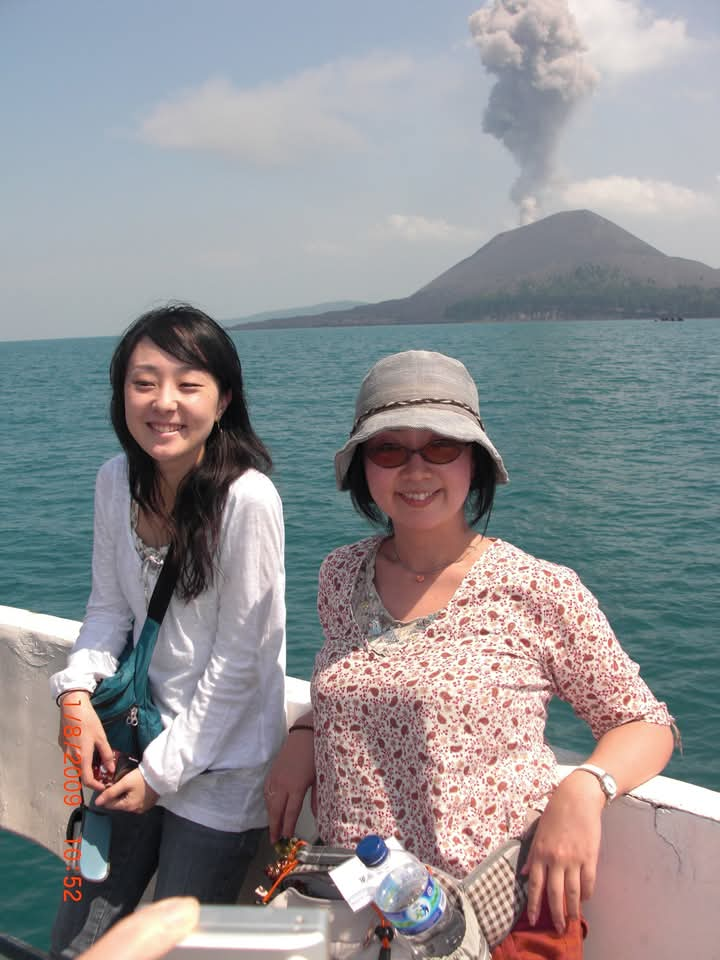
The focus of a Rakata island tour often extends to Anak Krakatau, the “Child of Krakatau,” which continues to grow from the caldera. While direct ascents of Anak Krakatau are subject to safety regulations and current volcanic activity, viewing it from a safe distance provides a perspective on ongoing geological processes. Our team often advises clients to consider the weather conditions carefully, as sea conditions can affect the itinerary and comfort of your Rakata island tour. (Baca juga: Exploring Karang Bolong Beach: A West Java Coastline Gem)
What to Expect on Your Expedition
Your Rakata island tour package typically includes boat transport, necessary permits for entering the national park area, and an experienced guide. Some tours also provide snorkeling equipment and a simple meal. The exact itinerary will depend on the duration of your trip—whether it is a full-day excursion or part of a multi-day itinerary.
The landscape of Rakata itself is rugged, with dense vegetation clinging to its slopes. The island’s imposing cliffs offer a stark reminder of the original volcano’s scale. While there are no facilities on Rakata, its natural state is what many visitors find appealing. Practical tips from our expeditions suggest packing light, bringing sun protection, and ensuring your camera is ready for the unique sights. A Rakata island tour is an opportunity to disconnect and immerse yourself in nature.
Planning Logistics and Market Pricing for Your Rakata Island Tour
Planning your Rakata island tour requires attention to detail. The best time to visit is during the dry season, typically from April to October, when sea conditions are generally calmer. However, weather patterns can change quickly, so flexibility is helpful.
Access to the Krakatau National Park requires specific permits. Reputable operators like PT UJUNGKULON TOURS handle these arrangements, making the process smooth for visitors. It is important to book your Rakata island tour with an operator that has a strong safety record and experienced boat captains familiar with the local waters.
Regarding expenses, understanding the market estimates helps in budgeting. For a comprehensive Rakata island tour from major coastal departure points, which typically includes boat transport, national park permits, guide services, and often a packed lunch or refreshments, market estimates often range as follows:
These figures are general market estimates and can change based on the specific operator, seasonal demand, fuel costs, and the exact services offered within your Rakata island tour package. Always confirm details directly with your chosen provider.
Safety and Environmental Responsibility on Your Rakata Island Tour
Safety is a main consideration for any sea journey. When choosing a Rakata island tour, confirm that your operator adheres to safety protocols, including providing life jackets and having communication equipment. The Krakatau area is monitored for volcanic activity, and tour operators receive updates from official sources. The safety of visitors is always the top priority.
Environmental responsibility is another aspect. The Krakatau National Park is a protected area. Visitors are expected to follow guidelines, such as not leaving any trash, not disturbing wildlife, and not taking anything from the natural environment. Our company, PT UJUNGKULON TOURS, is committed to supporting sustainable tourism practices, ensuring that this unique ecosystem is preserved for future generations. For more background on the Krakatau volcanic complex, you can refer to its geological history on Wikipedia. Participating in a Rakata island tour also means respecting its fragile natural state.
A Rakata island tour offers an unparalleled opportunity to witness nature’s power and beauty. From the moment you depart until you return, you will be part of an experience that connects you with one of Earth’s most significant geological features. We at PT UJUNGKULON TOURS are here to ensure your expedition is memorable and managed with expertise. This journey is not just about seeing the island; it is about understanding its enduring legacy.
Ready for Your Krakatau Expedition?
Your journey to Rakata Island, part of the legendary Krakatau archipelago, awaits. Let PT UJUNGKULON TOURS handle every detail for a safe, informative, and unforgettable experience.
Plan Your Rakata Island Tour Now
FAQ
Is Rakata Island safe to visit?
Yes, Rakata Island itself is safe. Tours operate within designated safe zones around the Krakatau complex, with constant monitoring of volcanic activity. Operators prioritize visitor safety.
What should I bring for a Rakata island tour?
You should bring sun protection (hat, sunscreen), swimwear, a towel, comfortable shoes, a reusable water bottle, a camera, and a waterproof bag for electronics.
How long does a Rakata island tour typically last?
A full-day Rakata island tour typically lasts 8-10 hours, including travel time from the mainland and activities around the islands. Overnight options are also available.
Can I hike on Rakata Island?
Access to Rakata Island itself is generally limited to specific areas due to its protected status and rugged terrain. Most tours focus on marine activities and viewing the island from the boat or designated beach stops.
What kind of marine life can I expect to see?
The waters around Rakata offer various reef fish, soft and hard corals, and occasional larger marine animals. Snorkeling provides good opportunities to observe these species.
Are there any facilities on Rakata Island?
No, Rakata Island is undeveloped and lacks facilities. All provisions, including food and restrooms, are typically handled on the tour boat.
Is a Rakata island tour suitable for children?
Yes, it can be suitable for children who are comfortable on boats and enjoy swimming/snorkeling, provided they are supervised. Always discuss age appropriateness with your tour operator.
Explore Java and Bali with JavaBali Group: Your Definitive Guide to Island Journeys
PT UJUNGKULON TOURS offers tailored experiences to explore Java and Bali with JavaBali Group. This guide details typical itineraries, provides estimated market price ranges for group tours, and shares practical advice for making the most of these Indonesian island adventures.
Embarking on a journey to explore Java and Bali with JavaBali Group promises an experience filled with diverse landscapes and rich traditions. This guide provides insight into what a structured group tour offers, helping you prepare for an engaging adventure across Indonesia’s captivating islands. We aim to equip you with clear expectations and practical information for your travel plans.
📑 Daftar Isi
Crafting Your Java and Bali Group Exploration
Considering a trip to explore Java and Bali with JavaBali Group involves understanding the blend of cultural immersion and natural exploration these islands offer. These tours are designed to present a coherent narrative of Indonesia, from Java’s ancient temples and volcanic scenery to Bali’s spiritual ambiance and beaches.
What to Expect from a JavaBali Group Journey
A typical JavaBali Group journey combines significant cultural sites with natural wonders. On Java, you might visit Borobudur and Prambanan temples, which stand as monuments to Indonesia’s rich history. Travelers also often see Mount Bromo’s sunrise or the Ijen Crater’s blue flames. Bali then offers a contrast with its rice paddies, spiritual ceremonies, and coastal retreats.
These tours typically include accommodation, transportation between sites, some meals, and local guides. The itinerary is usually pre-planned, allowing for efficient travel without the stress of daily logistics. From our experience on the ground, group dynamics often add an enriching layer, allowing for shared discoveries and perspectives on the local culture. You get to delve into local traditions and witness daily life without the constant need for personal navigation.
Tailoring Your Experience
While group tours provide a structured itinerary, there’s often room for personal touchpoints. Some JavaBali Group packages might offer optional excursions or free time slots. For instance, after visiting a temple, you might have time to browse local markets or simply relax. When planning to explore Java and Bali with JavaBali Group, consider what aspects matter most to you. Are you drawn to historical sites, nature walks, or culinary explorations? Communicating these interests to your tour provider can sometimes lead to suggestions that align with your preferences, even within a group setting. It ensures you make the most of your time exploring. Practical tips from our team indicate that flexible group leaders can enhance individual traveler satisfaction significantly. You might also find particular interest in exploring the unique wildlife on these islands, perhaps even venturing further to places like Ujung Kulon National Park, known for its specific conservation efforts.
Market Estimates for Group Tours in Java and Bali
When you decide to explore Java and Bali with JavaBali Group, understanding the potential costs is important for budgeting. Exact pricing from PT UJUNGKULON TOURS would require direct contact, but we can provide general market estimates for similar group tour packages. These ranges give you a reference point.
Factors Influencing Tour Pricing
Several elements determine the cost when you explore Java and Bali with JavaBali Group or similar operators. These include the duration of the trip, the standard of accommodation (budget, mid-range, luxury), the number of activities and sites visited, and whether international or internal flights are part of the package. Group size also plays a part; smaller groups often incur higher per-person costs due to less shared overhead. We frequently observe that tours with unique experiences, such as specialized cooking classes or off-the-beaten-path excursions, tend to be at the higher end of the spectrum.
What These Price Ranges Include
Generally, these estimated prices cover your accommodation, transportation within Indonesia (buses, trains, sometimes internal flights), a significant portion of your meals, entrance fees to most attractions, and the services of an experienced tour guide. What’s usually not included are international flights to and from Indonesia, travel insurance, personal expenses, gratuities, and sometimes certain optional activities or specific meals. Always review the detailed itinerary and inclusions list when you are ready to explore Java and Bali with JavaBali Group or any other provider to ensure it aligns with your expectations. Understanding these specifics helps manage your budget effectively.
Practical Advice for a Successful Java and Bali Exploration
To truly appreciate your decision to explore Java and Bali with JavaBali Group, a bit of preparation goes a long way. This section covers logistical tips and ways to enhance your cultural immersion.
Navigating Logistics with JavaBali Group
When traveling as part of a group, communication is key. Pay attention to the pre-departure information provided by PT UJUNGKULON TOURS. This usually includes details on visa requirements, packing suggestions, and health precautions. Indonesia offers a diverse climate; packing light, breathable clothing, comfortable walking shoes, and swimwear is generally advised. A reusable water bottle and sun protection are also recommended. Knowing some basic Indonesian phrases, such as “terima kasih” (thank you) and “permisi” (excuse me), can significantly enhance interactions with locals and is a good way to show respect for the local Indonesian culture.
Maximizing Cultural Connections
Indonesia is rich in traditions, art, and spirituality. To make your Java and Bali group exploration more meaningful, engage actively with your local guides. They are a valuable source of information about local customs, history, and daily life. Try local cuisine beyond the hotel restaurants; street food stalls and local warungs offer authentic flavors. Participate respectfully in cultural demonstrations or ceremonies if the opportunity arises. This openness to new experiences transforms a trip into a profound memory. When you explore Java and Bali with JavaBali Group, these moments of connection are what truly define the journey.
Concluding your journey to explore Java and Bali with JavaBali Group leaves you with memories of ancient wonders, vibrant traditions, and breathtaking natural beauty. PT UJUNGKULON TOURS focuses on offering well-planned group tours that highlight the unique character of these islands, ensuring a cohesive and enriching travel experience.
Ready for Your Indonesian Adventure?
Discover the specific tour options and current availability with PT UJUNGKULON TOURS. Get detailed itineraries and pricing tailored to your group.
Inquire About JavaBali Group Tours Now
FAQ
What does “JavaBali Group” mean?
“JavaBali Group” refers to group tours that typically combine destinations and activities across both Java and Bali islands, often managed by a single tour operator like PT UJUNGKULON TOURS.
What is the recommended duration to explore Java and Bali with JavaBali Group?
Most travelers find a 7 to 14-day itinerary adequate to experience the main highlights of both Java and Bali in a group setting. Longer trips allow for deeper immersion.
Are flights between Java and Bali included in typical group tour packages?
Some comprehensive group tour packages include internal flights between Java and Bali, while others arrange land/ferry transfers. Always check the specific inclusions of your chosen tour.
What kind of accommodation can I expect on a JavaBali Group tour?
Accommodation varies, but most group tours to explore Java and Bali with JavaBali Group use mid-range hotels that offer comfort and local charm. Luxury options are available for higher-tier packages.
Is travel insurance necessary for these tours?
While not always included in the tour price, obtaining travel insurance is strongly recommended for any international trip, including a group tour to Java and Bali, to cover unforeseen circumstances. (Baca juga: Ujungkuon National Park: The Adventure Destination Closed to Jakarta)
What languages are spoken by the tour guides?
Guides on JavaBali Group tours, especially from reputable operators like PT UJUNGKULON TOURS, are typically fluent in English and Indonesian. Other language options may be available upon request.
How physically demanding are Java and Bali group tours?
Tours usually involve a moderate level of physical activity, including walking around temples, markets, and natural sites. Some excursions, like volcano treks, can be more demanding, and these are usually clearly stated in the itinerary.