
Your Complete Guide for Visiting and Getting to Ujung Kulon National Park
This guide provides practical information for Visiting and Getting to Ujung Kulon National Park, covering transportation, permits, accommodation, and activities. It offers market price estimates and expert tips to ensure a well-prepared and fulfilling journey to this unique conservation area.
- Ujung Kulon National Park is a UNESCO World Heritage Site.
- It is home to the critically endangered Javan rhinoceros.
- The park’s dry season, April to September, is ideal for visits.
Visiting and Getting to Ujung Kulon National Park offers a rare opportunity to experience pristine nature and encounter unique wildlife. This guide walks you through the practicalities of planning your journey to this significant conservation area, ensuring a smooth and rewarding expedition. We cover travel routes, permit requirements, and what to expect once you arrive, equipping you with the details needed for a well-prepared adventure.
📑 Daftar Isi
Planning Your Expedition to Ujung Kulon National Park
Ujung Kulon National Park, located at the southwestern tip of Java, stands as Indonesia’s first national park and a UNESCO World Heritage Site. It safeguards one of the planet’s last remaining low-land rainforests and is the sole refuge for the critically endangered Javan rhinoceros. Its remote location adds to its allure, promising an immersion in an untouched natural environment.
For those considering Visiting and Getting to Ujung Kulon National Park, timing is a key factor. The best time to visit the Ujung Kulon Park is between April and September, the drier months. During this period, rainfall is minimal, making trekking trails more accessible and boat travel less affected by rough seas. Clear skies also enhance opportunities for wildlife observation and photography.
Entry into the park requires specific permits. To enter Ujung Kulon Park you need a permit, which is managed by the park authority. This permit helps regulate visitor numbers and supports conservation efforts. It’s advisable to arrange these permits in advance, often facilitated through tour operators like PT UJUNGKULON TOURS, to avoid delays upon arrival. Accommodation is available on Peucang Island and at Handeuleum, offering basic but comfortable stays within the park’s vicinity. These options provide direct access to park activities and reduce travel time each day.
Understanding Permit Requirements and Fees
Securing the necessary permits is a mandatory step for Visiting and Getting to Ujung Kulon National Park. These permits typically include an entrance fee and potentially activity-specific charges. Prices vary for Indonesian citizens and foreign visitors.
The general market estimates for permit fees are:
- Indonesian Citizens: Approximately IDR 50,000 – IDR 125,000 per person per day.
- Foreign Visitors: Approximately IDR 250,000 – IDR 350,000 per person per day.
Additional fees might apply for activities like snorkeling or guided treks. It is always wise to confirm the latest fee structure with your chosen tour operator or the park office before your trip.
Navigating Your Journey: Getting to Ujung Kulon National Park
The journey to Ujung Kulon National Park requires a combination of land and sea travel. Most expeditions begin from Jakarta or Bandung, heading towards the coastal towns of Carita or Labuan in Pandeglang Regency, Banten. From these towns, a boat trip is necessary to reach the park’s entry points. This multi-modal approach makes Visiting and Getting to Ujung Kulon National Park an adventure in itself.
Land Travel Options to Carita or Labuan
The first leg of your journey involves reaching Carita or Labuan.
- Private Car Rental: This is a popular and convenient option, offering flexibility. The drive from Jakarta to Carita or Labuan takes approximately 3-5 hours, depending on traffic conditions.
- Estimated Market Price Range for Car Rental (one-way, with driver): IDR 600,000 – IDR 1,200,000, varying by vehicle type and service.
- Public Bus: Buses regularly depart from major terminals in Jakarta (e.g., Kalideres, Kampung Rambutan) to Labuan. From Labuan, you might take a local taxi or ‘angkot’ (public minivan) to Carita.
- Estimated Market Price Range for Public Bus (one-way): IDR 50,000 – IDR 80,000 per person.
Practical tips from our team indicate that pre-booking private transport is often the most comfortable and reliable choice, especially for groups or those with limited time. It eliminates the complexities of navigating public transport connections.
Sea Travel from Carita/Labuan to Ujung Kulon
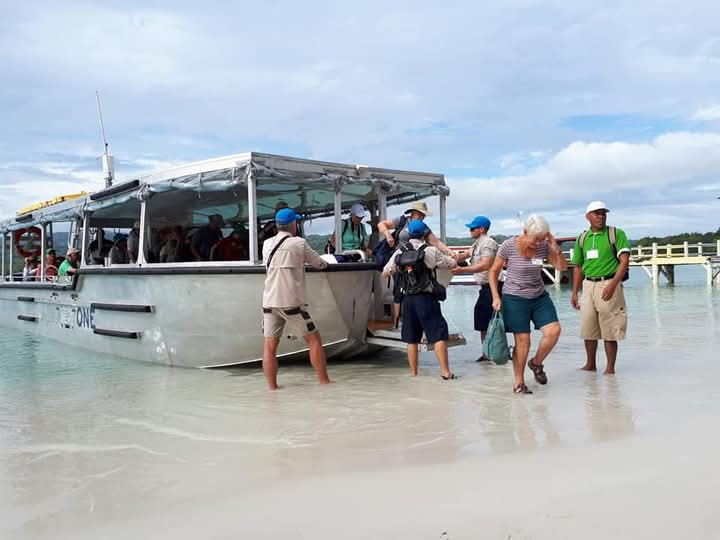
Once in Carita or Labuan, the next step for Visiting and Getting to Ujung Kulon National Park involves chartering a boat. This is the only way to reach the park’s islands and coastal areas. Boats vary in size and capacity, from smaller speedboats to larger vessels suitable for groups.
- Estimated Market Price Range for Boat Charter (2-3 days, for a group of 5-10 people): IDR 6,000,000 – IDR 15,000,000. This price typically includes the boat, captain, crew, fuel, and basic facilities. The exact cost depends on the boat type, itinerary, and duration. A number of tour companies in Jakarta organize visits to Krakatau and Ujung Kulon, and often include boat charters as part of their package.
Based on our field experience, it is highly recommended to book your boat charter through a reputable tour operator. This ensures you get a safe, well-maintained boat with an experienced crew familiar with the park’s waters. It also simplifies logistics, as the operator can coordinate permits, accommodation, and the entire itinerary. We often find cases where independent travelers face challenges securing reliable transport and permits last minute, leading to unnecessary stress and delays.
What to Expect and Do Within Ujung Kulon National Park
Once you have managed the logistics of Visiting and Getting to Ujung Kulon National Park, a world of natural wonders awaits. The park offers a range of activities designed to connect visitors with its unique ecosystem.
Key Attractions and Activities
- Peucang Island: Known for its white sandy beaches and clear waters, ideal for snorkeling and relaxing. It’s also a prime spot for observing wildlife, including deer, wild pigs, and various bird species.
- Handeuleum Island: Offers opportunities for river canoeing along the Cigenter River, where you might spot pythons, hornbills, and even crocodiles. This area is a key point for those interested in deeper jungle exploration.
- Cidaon Grazing Grounds: A savanna where visitors can observe various animals, especially early in the morning or late afternoon. This is a crucial habitat for deer and wild cattle, and occasionally, Javan rhinos.
- Trekking: Numerous trails exist for those wishing to explore the rainforest on foot. These treks can range from easy walks to more challenging expeditions, offering insights into the park’s flora and fauna.
- Snorkeling and Diving: The coral reefs around Peucang Island and other islets provide excellent conditions for underwater exploration, revealing diverse marine life.
Safety and Eco-Tourism Guidelines
Respecting the park’s environment and rules is paramount. Always follow your guide’s instructions, maintain a safe distance from wildlife, and avoid leaving any trash. The park is a conservation area, and minimizing your impact is essential for its preservation. When Visiting and Getting to Ujung Kulon National Park, you become a part of its protection.
Visiting and Getting to Ujung Kulon National Park presents an unparalleled opportunity to explore a significant natural habitat. With proper planning, understanding the permit requirements, and arranging suitable transportation, your journey will be a fulfilling exploration of one of Indonesia’s most treasured natural reserves. PT UJUNGKULON TOURS stands ready to assist you in meticulously planning every step, ensuring a seamless and enriching experience to this extraordinary destination. We prioritize responsible tourism, making your adventure both memorable and sustainable.
Ready for Your Ujung Kulon Expedition?
Don’t let complex logistics deter your adventure. PT UJUNGKULON TOURS offers expert-guided packages for an unforgettable journey to Ujung Kulon. Secure your spot now!
FAQ
What is the best time of year to visit Ujung Kulon National Park?
The best time to visit is during the dry season, from April to September, when weather conditions are more favorable for travel and activities.
Do I need a permit to enter Ujung Kulon National Park?
Yes, a permit is required for entry into Ujung Kulon National Park. It is advisable to obtain this in advance, often through a tour operator.
How do I get to Ujung Kulon National Park?
The journey typically involves land travel from Jakarta to Carita or Labuan, followed by a boat charter to the park’s entry points.
Are there accommodation options inside Ujung Kulon National Park?
Yes, basic accommodation is available on Peucang Island and at Handeuleum within or near the park boundaries.
What wildlife can I expect to see in Ujung Kulon National Park?
Visitors might see Javan rhinos (rarely), deer, wild pigs, various bird species, monkeys, and marine life while snorkeling or diving.
Can I organize a trip to Ujung Kulon National Park independently?
While possible, it’s generally recommended to book through a reputable tour operator like PT UJUNGKULON TOURS. They manage permits, reliable transport, and provide experienced guides for a smoother trip.
What are the typical costs for a trip to Ujung Kulon National Park?
Costs vary widely depending on trip duration, group size, and type of services. Expect expenses for land transport, boat charter, park permits, accommodation, and food. A multi-day guided tour package often provides the best value.
Leave a Reply
Want to join the discussion?Feel free to contribute!